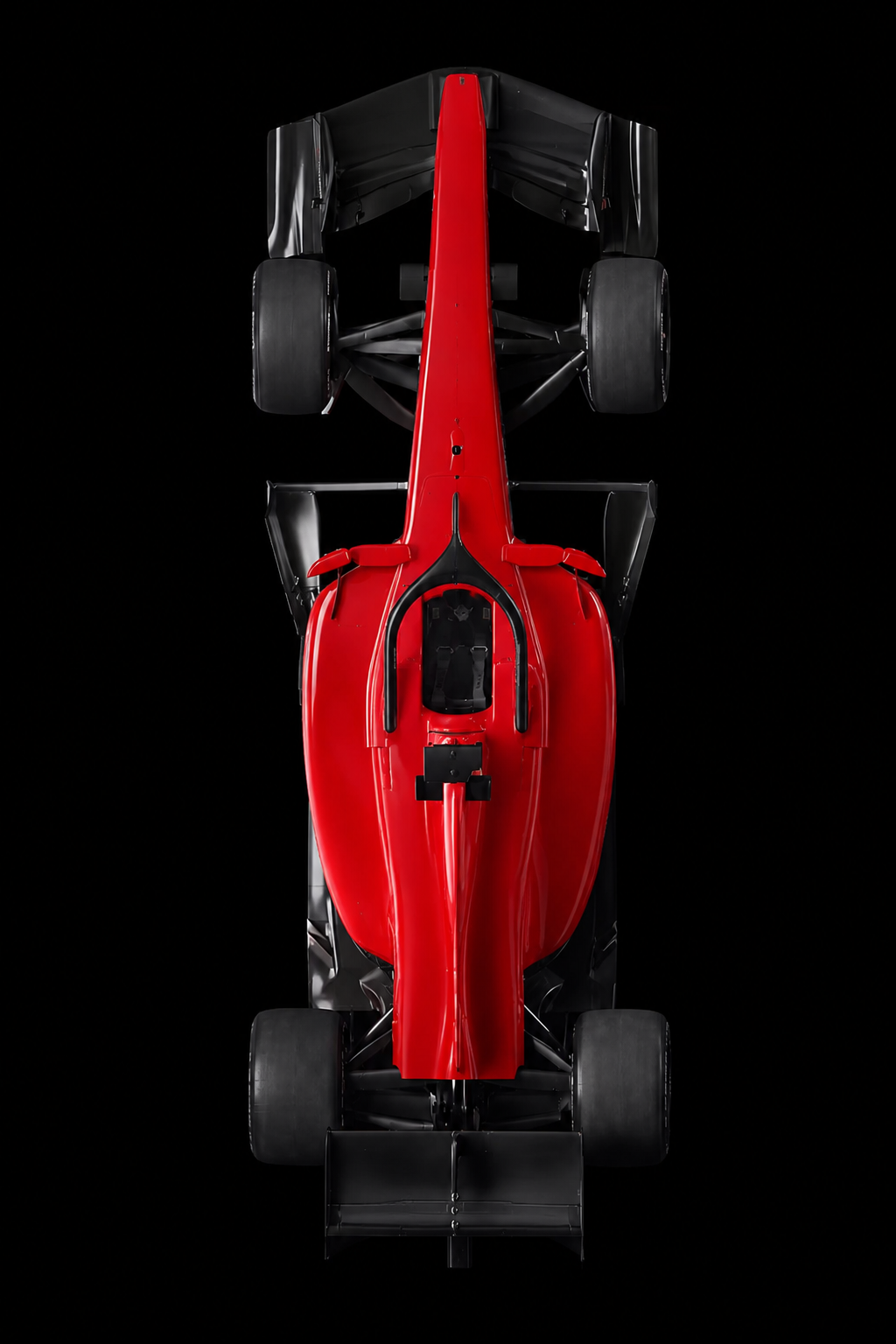
The Constructors' Championship is F1's team scoreboard: both drivers' points count toward one total. That simple rule creates asymmetric risk. A front-runner with one star and one struggler can still win the title. A midfield team with two consistent P6 finishes beats a team with one podium and one DNF.
2×
Points ceiling
Both cars scoring every round
44
Max points (2025-style)
Per team, before fastest lap
~15%
Midfield spread
Typical P5–P10 points gap over a season
Pace vs. reliability vs. consistency
Constructor success rests on three measurable pillars. Raw pace shows up in qualifying and free practice. Reliability shows up in classified finishes and DNS/DNF rates. Consistency shows up in the variance of finishing positions — low variance teams harvest points even when they lack outright speed.
| Pillar | Data proxy | Why it matters |
|---|---|---|
| Pace | Qualifying delta to pole | Sets grid position and overtaking cost |
| Reliability | Classified finish rate | DNFs are zero-point events |
| Consistency | Std dev of finish position | Stabilises season-long totals |
The two-car problem
Teams must develop one car concept for two drivers with different styles. When teammate gaps exceed 0.3s per lap in race trim, it often signals setup direction or development focus — not just talent. Debrief's teammate delta metric tracks mean finishing-position difference in shared races.
Budget cap and development trajectory
Since 2021, the cost cap has compressed spending but not equalised pace overnight. Aerodynamic efficiency gains compound through the season — teams that bring upgrades early often overtake rivals on development slope, not just current lap time.
Key takeaways
- Constructor points aggregate both drivers — reliability hits twice as hard.
- Teammate gaps reveal car characteristics, not just driver quality.
- Midfield titles are won on double points finishes, not single podiums.
- Upgrade rate matters as much as opening-weekend pace.