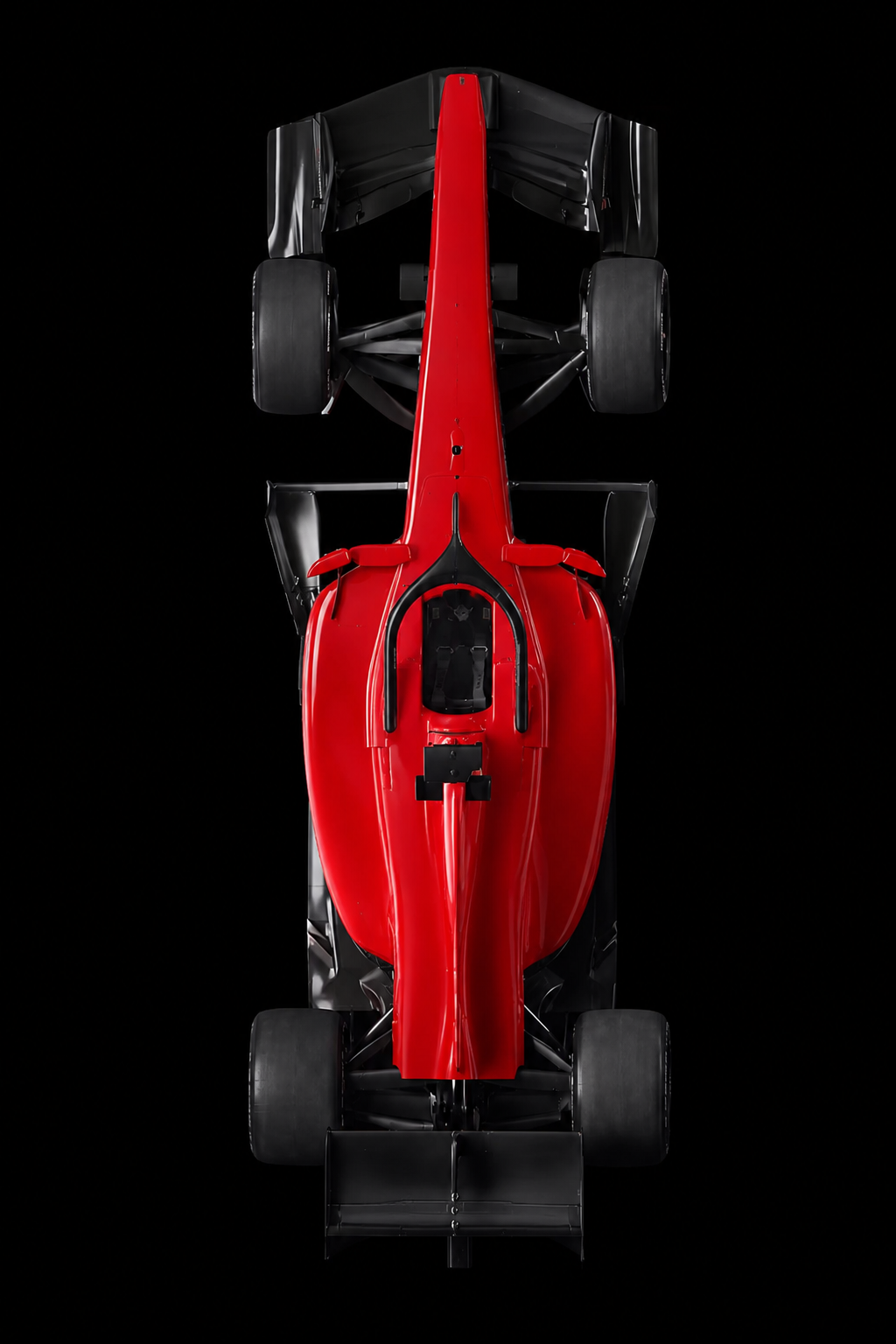
Team principals sit at the intersection of sport, business, and engineering. They do not design front wings — but they allocate blame and credit, set response time to problems, and decide when to take strategic risk. When a team improves without a major regulation reset, culture and operations are often the explanation.
What principals control
- Race operations tempo — pit-stop readiness, comms discipline, strategy authority
- Internal accountability — how quickly errors become process fixes
- External narrative — sponsor stability, driver market leverage
- Technical leadership hires — who runs aero, who owns the simulator loop
Leadership changes and results lag
A principal change rarely moves lap time in the next race. The measurable effect appears over quarters: fewer operational mistakes, better upgrade correlation, improved pit-stop variance. Historical team trajectory charts show step-changes after leadership resets — but seldom mid-season lap-time jumps.
Championship organisations vs. points chasers
Title-winning teams share traits visible in data: high classified-finish rates for both cars, low pit-stop spread, and strategy decisions that maximise expected points — not headline gambles. Midfield teams sometimes optimise for single-driver highlights; constructors' tables punish that asymmetry.
Key takeaways
- Principals shape response time and decision quality more than raw pace.
- Operational metrics improve before aerodynamic ones after leadership change.
- Two-car operational excellence shows up in constructor standings.