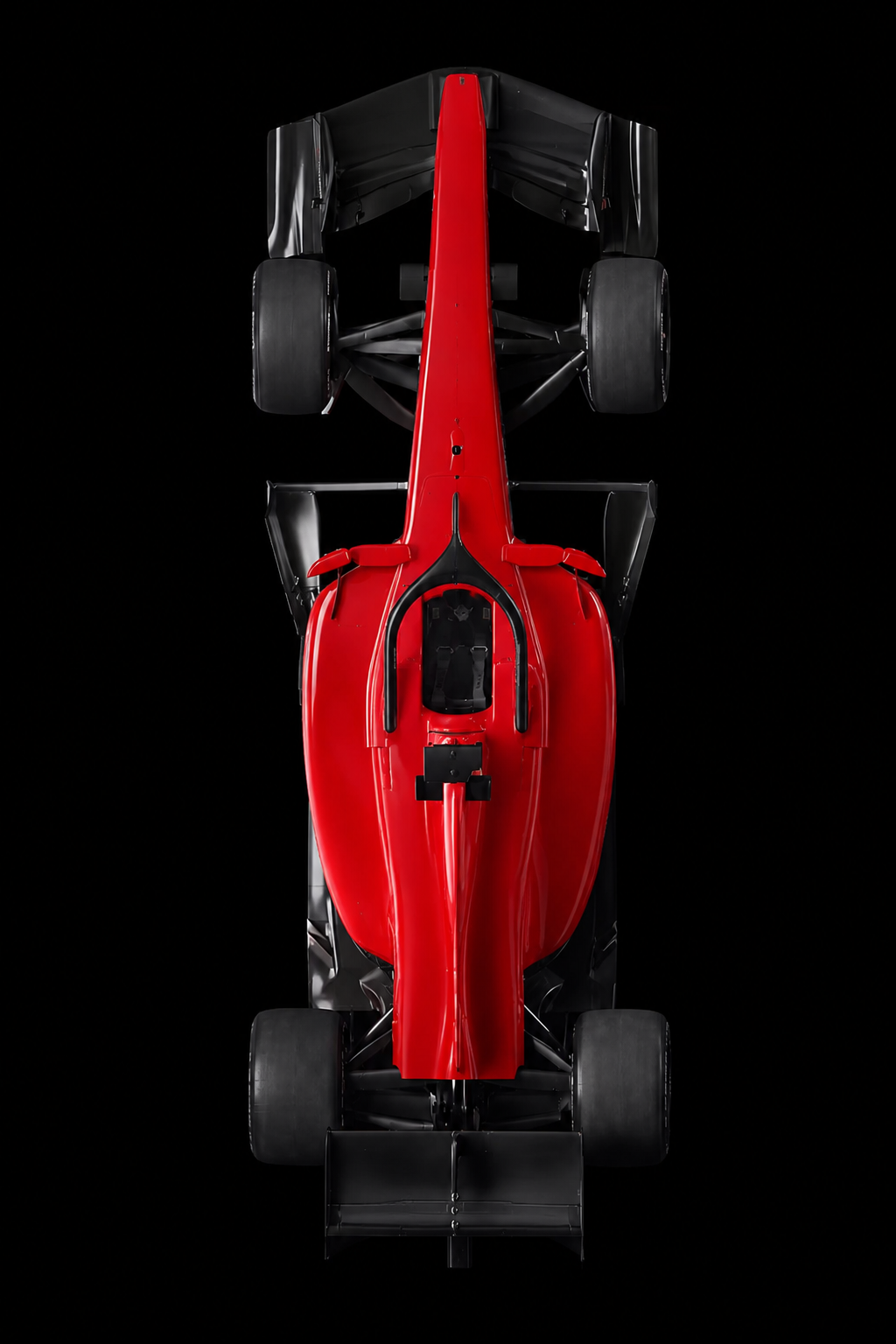
Each Grand Prix weekend, Pirelli nominates three dry compounds from its range. Softer rubber grips more but wears faster; harder rubber lasts longer but is slower when the track is cool or green.
| Compound | Typical trait | When teams use it |
|---|---|---|
| Soft (C5–C3 band) | Peak grip, steep cliff | Qualifying, short stints, undercuts |
| Medium | Balance of pace and life | Race workhorse on many tracks |
| Hard | Durable, slower warm-up | Long stints, high degradation venues |
Degradation is the real race
Strategy models watch how many tenths a driver loses per lap on a compound. A steep curve forces an earlier stop; a flat curve enables one-stop races or overcuts.
Key takeaways
- Softer ≠ always better — race pace includes degradation.
- Warm-up behaviour matters after safety cars and pit stops.
- Compound choice is a probability bet on weather and traffic.