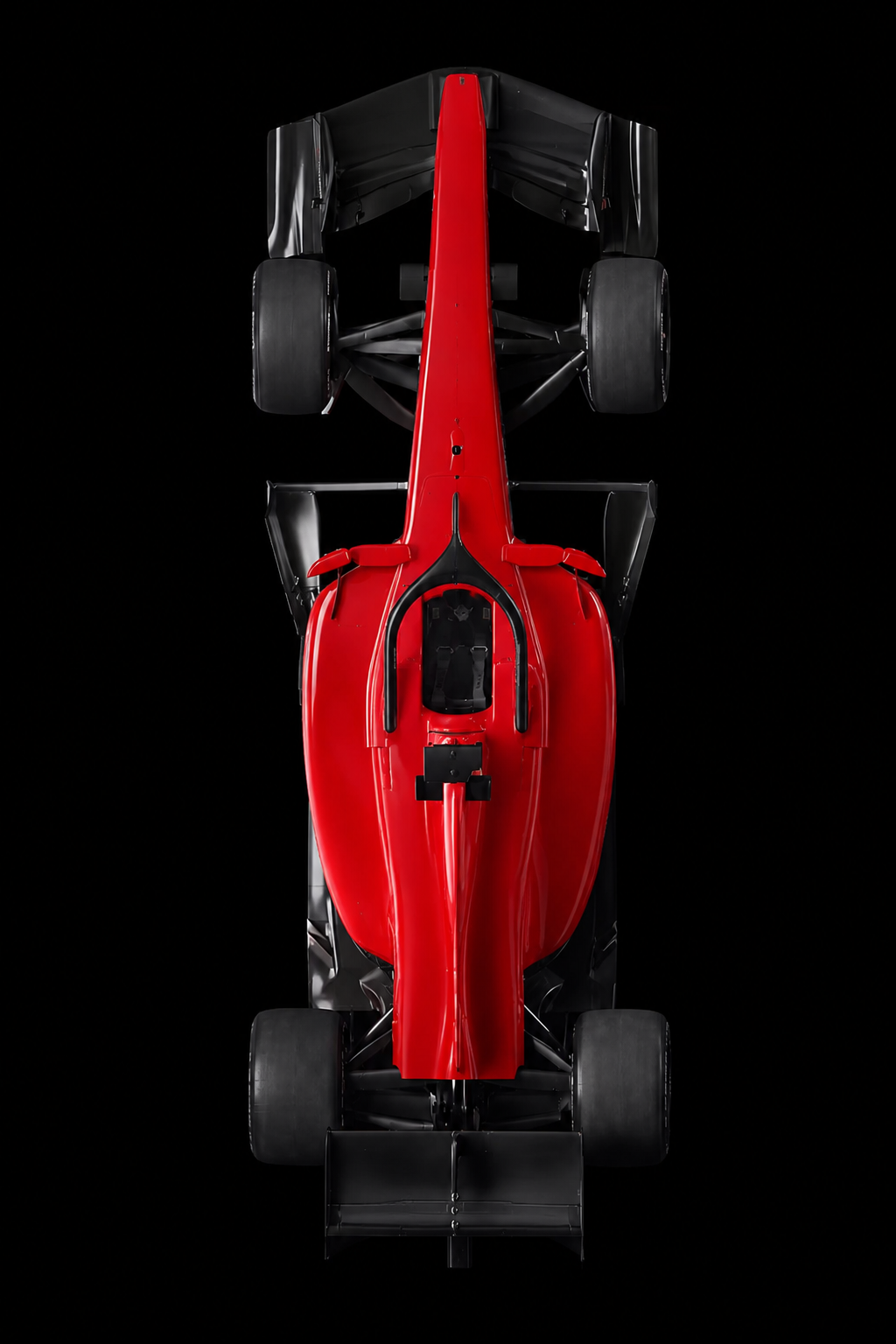
The Fédération Internationale de l'Automobile (FIA) is Formula 1's regulator — not its promoter. It writes the technical and sporting regulations, homologates circuits, issues superlicences, and employs race stewards. Understanding FIA structure explains why penalties feel inconsistent and why regulation resets shuffle the grid.
Technical vs. sporting regulations
| Type | Examples | Effect on competition |
|---|---|---|
| Technical | Floor height, wing geometry, power unit spec | Defines car concept and development spend |
| Sporting | Penalties, SC procedures, parc fermé | Defines race execution and risk |
| Financial | Budget cap, cost reporting | Limits development arms race |
Stewarding and consistency
Stewards are independent per event. They apply the International Sporting Code and F1 sporting regulations — often under time pressure with partial telemetry. Fans see outcomes; analysts track penalty frequency by incident type. The data shows clustering around track-limits and unsafe release incidents rather than random distribution.
Regulation cycles and competitive resets
Major technical resets — hybrid era launch, ground-effect return, aerodynamic rule changes — redistribute competitive advantage. Teams with wind tunnel capacity and simulation correlation gain most. Historical points shares by team cluster sharply after resets, then compress as knowledge diffuses.
Key takeaways
- The FIA sets rules; Liberty Media promotes the championship.
- Technical regs shape car philosophy; sporting regs shape race day.
- Stewarding variance is a known issue being addressed centrally.
- Regulation eras matter more than single-season upgrades.